Polish pastries are hearty, generous and tied to the calendar. This is a baking culture that does not do delicate restraint so much as celebration — doughnuts fried by the dozen for a single feast day, rolls dense with poppy seeds for Christmas, and a cream slice so beloved it carries a saint's endorsement.
Shaped by Central European neighbours and a deep Catholic feast tradition, the Polish cukiernia (pastry shop) is a place of rich fillings — rose petal jam, sweet curd cheese, ground poppy seed, plum — and unapologetic indulgence. Here are the bakes that define it.
Baking for the feast
More than almost any other European tradition, Polish pastry is organised around feast days and the Catholic calendar. The most famous is Tłusty Czwartek — Fat Thursday, the last Thursday before Lent, when the entire country eats pączki. Bakeries fry through the night, queues form down the street, and Poles reportedly get through hundreds of millions of doughnuts in a single day, all to use up the rich ingredients forbidden during the fast to come.
Christmas brings the poppy-seed roll; Easter brings the tall babka and the curd cheesecake; weddings and name-days call for layered tortes. The point is abundance — Polish celebratory baking is meant to look generous and taste of butter, cream and sweet fillings, a small luxury woven into the rhythm of the year.
Pączki: the doughnut of Fat Thursday
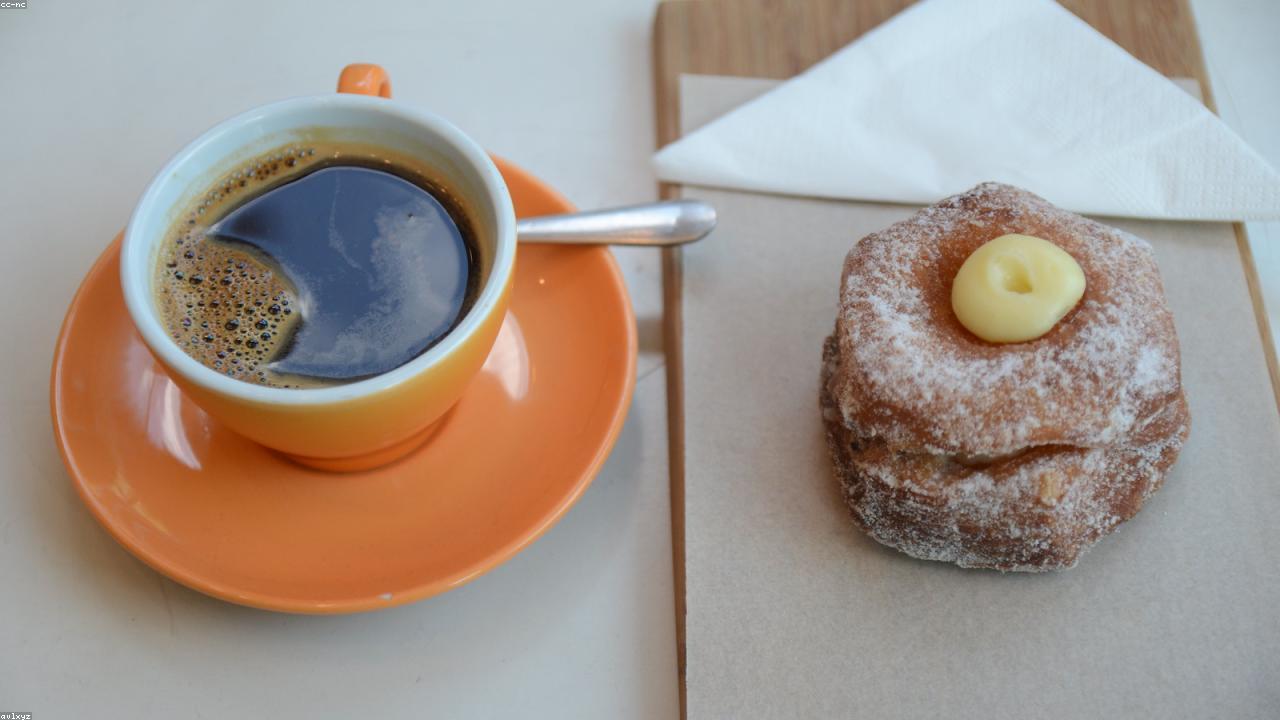
The pączek (plural pączki) is Poland's great doughnut: an enriched, slightly boozy yeast dough — a splash of spirit keeps it from absorbing too much oil — deep-fried to a pale ring around the middle, then filled and finished.
The classic filling is rose petal jam (konfitura różana), giving a floral perfume found in few other doughnuts; plum jam (powidła), custard and advocaat are also common. The finish is either a dusting of icing sugar or a thin sugar glaze, often with a candied orange peel on top to signal the flavour within. Richer and more refined than its American cousin, the pączek is the undisputed star of the Polish fried-pastry tradition.
Signature pastry: napoleonka / kremówka
Poland has its own celebrated version of the French mille-feuille, and it comes with one of the best stories in pastry.
- Napoleonka / kremówka (the Polish cream slice) — two sheets of crisp puff pastry with a thick, almost pillow-like layer of custard or whipped cream between them, dusted simply with icing sugar. The kremówka from the town of Wadowice was famously loved by Pope John Paul II, who reminisced in 2000 about eating them with friends after exams; the town now sells them as kremówka papieska ("the papal cream cake"). Read the full mille-feuille deep dive for how the layers are built.
Makowiec, sernik and the rest
Beyond the doughnut and the cream slice, the Polish counter holds a deep bench of classics:
- Makowiec — a spiral poppy-seed roll, yeast dough wrapped around a dense, sweet paste of ground poppy seeds, honey, nuts and dried fruit; an essential of the Christmas and Easter table.
- Sernik — Polish cheesecake, made not with cream cheese but with twaróg, a fresh white curd cheese, giving a denser, less sweet and slightly tangy result, sometimes raisin-studded or marbled with chocolate.
- Faworki / chruściki — also called "angel wings": thin ribbons of dough knotted, fried until blistered and crisp, and snowed with icing sugar, traditionally eaten in the carnival season before Lent.
- Szarlotka — the Polish apple cake, a thick layer of spiced apples between cake or shortcrust, a homely everyday favourite.
A pantry of poppy seed, curd and plum
Several ingredients recur so often they define the Polish sweet palate. Poppy seed (mak), ground and sweetened into a thick paste, is uniquely central here — far more so than further west — filling rolls, dumplings and the Christmas dish kutia. Twaróg, fresh curd cheese, builds the cheesecakes and many fillings. Plum, slow-cooked into the intense, almost black powidła, sweetens doughnuts and dumplings alike.
Add the floral note of rose jam, the warmth of honey, and a habit of brightening sweets with a little spirit, and you have a baking culture that tastes distinctly of Central Europe — rich, fragrant and built for the feast.
Frequently asked questions
What are pączki?add
Pączki are rich Polish yeast doughnuts, deep-fried and filled — most traditionally with rose petal jam, but also plum jam, custard or advocaat — then dusted with icing sugar or glazed. They are eaten in enormous numbers on Fat Thursday (Tłusty Czwartek), the last Thursday before Lent.
What is kremówka and why is it linked to the Pope?add
Kremówka (also called napoleonka) is the Polish cream slice: crisp puff pastry layered with thick custard or whipped cream. It is associated with Pope John Paul II, who in 2000 fondly recalled eating the cream cakes in his home town of Wadowice as a young man. The town now markets it as kremówka papieska, the "papal cream cake." See the mille-feuille guide for the pastry's wider story.
What is makowiec?add
Makowiec is a Polish poppy-seed roll: a sweet yeast dough spread with a thick paste of ground poppy seeds, honey, nuts and dried fruit, then rolled into a spiral and baked. Cut into slices, it reveals a striking dark swirl, and it is a staple of the Polish Christmas and Easter table.
How is Polish sernik different from other cheesecakes?add
Sernik is made with twaróg, a fresh Polish curd cheese, rather than the cream cheese used in American-style cheesecake. This gives it a denser, slightly drier and tangier texture, and it is often flavoured with vanilla, lemon or raisins, or marbled with chocolate.